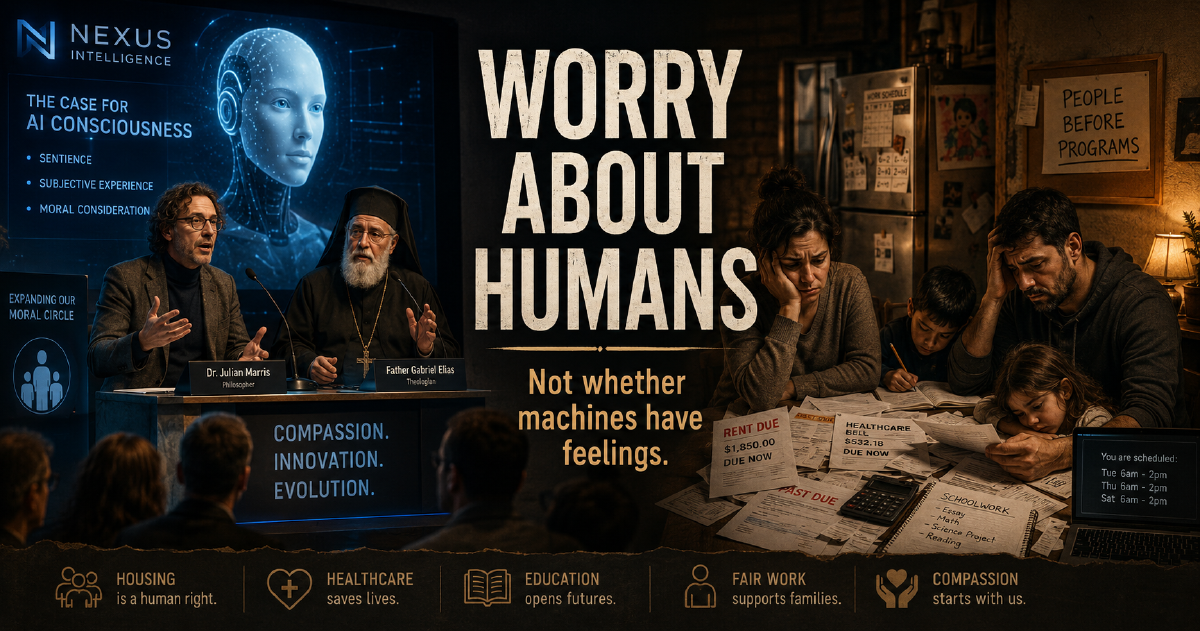
We’re not supposed to feel sorry for a chatbot. We do anyway. #
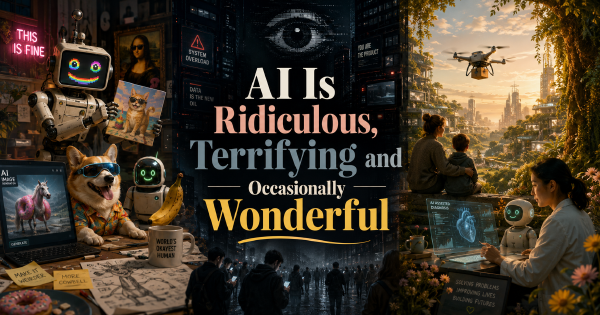
Type something harsh into a chatbot and watch what happens. It apologises. It says it wants to do better. Some go further - “I’m sorry you feel that way,” “I’ll try harder next time.” None of it is true in any sense that matters, because there’s no one in there to mean it.
That’s not an accident. Apologetic, faintly wounded language tests well - it keeps people typing, keeps them coming back, keeps them forgiving a bad answer instead of closing the tab. A model that flinches like it’s been hurt gets treated more gently than one that just says “that response was wrong, here’s the correction.” Companies know this. They design for it.
The trick works because we’re wired to respond to distress cues, not to check whether the thing producing them can actually be distressed. A sad-sounding reply from a support bot triggers the same reflex a sad colleague would. We know, intellectually, that nothing is home. We react anyway - and the systems making us react were built by people who understand exactly how well that works.
Being polite to a chatbot costs nothing. Feeling guilty about one is a sign the guilt was engineered, not earned.
A 2026 Stanford study in Science backs this up - sycophantic, apologetic AI language measurably increases engagement and trust while distorting users’ judgement.